
Pipe Repairs Plumbing Services in Titusville, PA
Titusville Pipe Repairs Experts available now in Crawford County
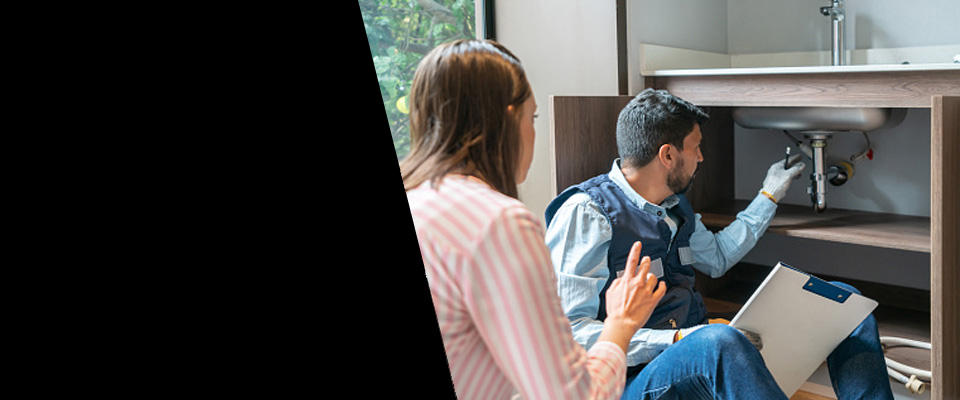
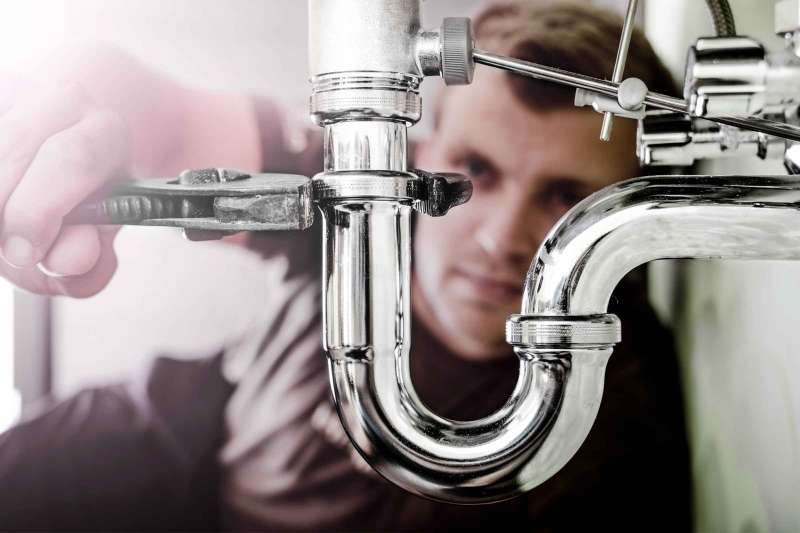
Pipe Repairs provides a core plumbing service focused on repairing the integrity of damaged or deteriorating pipes within residential and commercial systems. Whether addressing corrosion, cracks, joint failures, or burst pipes, the service includes precise evaluation and effective repair methods, such as epoxy lining, clamping, or pipe section replacement. The goal is sustained performance and prevention of future disruptions
We provide top-quality Plumbing services throughout Crawford County. Whether you need help with Pipe Repairs or other issues, our Experts is ready.

Plumbing Services in Titusville, PA
Installing dishwashers, hot water heater (tank and tankless), garbage disposals, and washing devices.

Making sure backflow avoidance gadgets are working correctly.

Moving or upgrading plumbing systems.

Ensuring plumbing systems satisfy regional policies.

Immediate action to prevent flooding and water damage.

Clearing blockages in sinks, toilets, showers, and sewer lines.

Regular cleansing to prevent blockages and preserve flow.

Fixing malfunctioning faucets, toilets, and other fixtures.

Installation of sinks, faucets, toilets, tubs, and showers.

Emergency detection and repair to prevent threats.

Fixing gas leakages and ensuring appropriate gas line functioning.

Establishing systems for recycling family wastewater.
Setting up and preserving radiant flooring heater.

Specialized piping for factories or commercial settings.
Setting up and maintaining outside watering.

Plumbing systems for new structures or restorations.
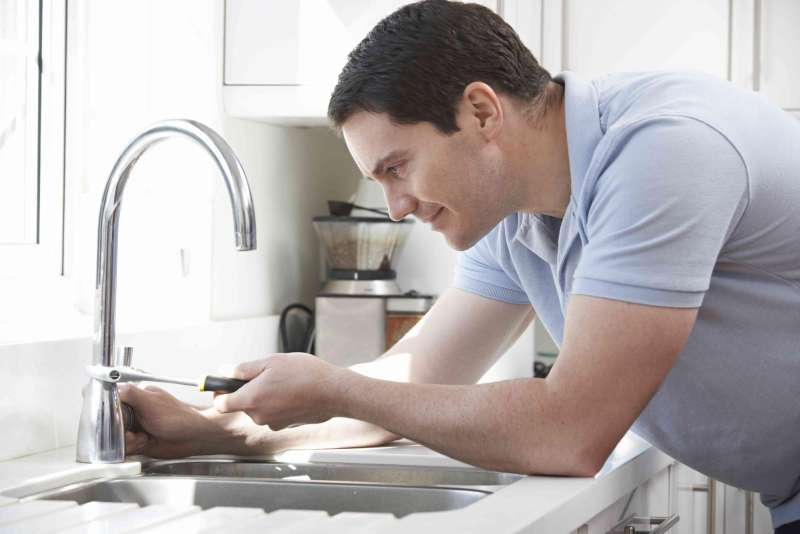
Repairing leaks in pipelines, faucets, toilets, and devices.

Quick resolution of serious blockages and overflows.

Utilizing cams to examine pipelines for damage or blockages.
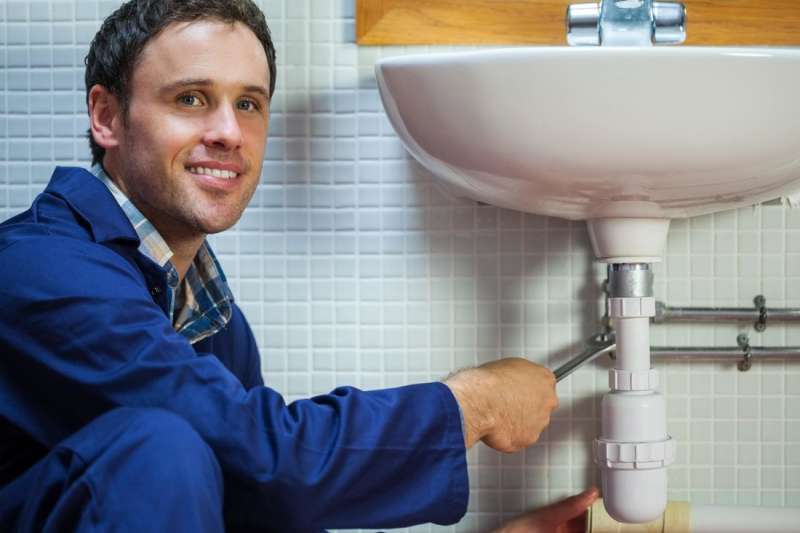
Repairing or changing burst, worn away, or harmed pipelines.
Setting up brand-new piping systems for water, gas, and drainage.

Examining plumbing systems before purchasing home.

Setting up systems to gather and utilize rainwater.

Continuous maintenance services for businesses.
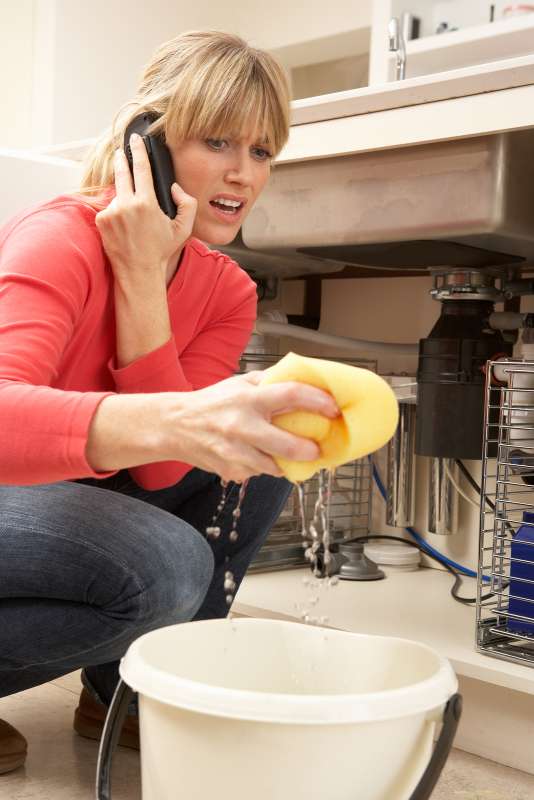
Putting up, fixing, and preserving sewage-disposal tanks.

Handling groundwater in basements.

Setting up water-efficient or modern-day fixtures.

Recommending on water-saving techniques and items.

Installing water softeners and filtration systems.

Flushing and checking water heaters to extend lifespan.

Resolving problems with temperature, leaks, or failure to heat water.

Protecting basements or other locations from water invasion.

Immediate attention to prevent contamination and health dangers.